Pipes Knocking When Water Is Turned On

Pipes knocking when water is turned on? Discover what causes water hammer in UK homes, from high water pressure to loose pipe clips. Learn proven DIY fixes, professional solutions, typical costs (£90-300 for arrestors), and when knocking indicates serious pipe damage. Expert advice for Devon and Cornwall properties including Victorian homes, hard water areas, and modern plumbing systems.
Pipes banging when water is turned on

Pipes Knocking When Water Is Turned On? Here's How to Fix It

That alarming banging when you turn on the tap isn't just annoying – it's your plumbing crying for help. After 30 years tracking down mysterious pipe noises across Devon and Cornwall, I can tell you this: ignoring knocking pipes is like ignoring a ticking time bomb. Let me show you exactly what's causing that racket and, more importantly, how to silence it before it costs you thousands.

Pipes knock when water is turned on due to water hammer – a pressure surge caused by water suddenly stopping or changing direction. This creates shock waves that make pipes bang against walls, floors, or each other. Common causes include high water pressure (above 1.5 bar), loose pipe clips, trapped air, or fast-closing valves. UK homes should maintain 1-1.5 bar pressure, and solutions range from securing loose pipes (£20-50) to installing water hammer arrestors (£90-300).

Quick Fix Guide – Stop the Knocking Now

  • Immediate action: Turn water pressure down at stop tap (clockwise)
  • Check pressure: Most homes operate best at 1-1.5 bar
  • Secure pipes: Tighten loose clips or add new ones every 1.2m
  • Drain air chambers: Turn off mains, open all taps, drain system
  • Long-term fix: Install water hammer arrestor (£90-300 fitted)
  • Professional needed if: Knocking persists, multiple areas affected, or you need expert diagnosis

Understanding Why Your Pipes Are Knocking

Right, let's get technical for a moment. When water travels through your pipes at speed (typically 1-2 metres per second in UK homes), it carries kinetic energy. Turn off a tap quickly, and that energy has nowhere to go. The water slams into the closed valve like a freight train hitting a wall, creating a pressure wave that reverberates through your entire plumbing system.

In my experience investigating hidden plumbing leaks, water hammer isn't just noise – it's a force that can reach 10 times your normal water pressure. That single knock in pipes you hear? It's potentially 15 bar of pressure trying to tear your pipework apart. No wonder I've seen burst joints, cracked fittings, and even leaks developing from untreated water hammer.

DCI's 30-Year Observation: Modern homes suffer more from water hammer than Victorian properties. Why? Quarter-turn ceramic disc taps close instantly, unlike traditional taps that close gradually. Progress isn't always better for your pipes.

The Real Culprits Behind Banging Pipes When Water Turns On

1. Water Hammer – The Main Offender

Water hammer accounts for 70% of the knocking pipes I investigate. It's that loud bang in pipes when tap turned off quickly, or when your washing machine fills. The shock wave travels at the speed of sound through water (about 1,400 metres per second), explaining why the knock seems to come from everywhere at once.

Critical UK Fact: If your pipes knock, insurers might refuse claims for resulting damage, viewing untreated water hammer as lack of maintenance.

2. High Water Pressure – The Silent Destroyer

UK water companies can legally supply up to 10 bar pressure, but most homes operate best at 1-1.5 bar. BS EN 806 recommends a minimum flow pressure of 1 bar at outlets. Anything significantly above 1.5 bar creates turbulent flow, causing pipes to vibrate when water turned on. I recently investigated knocking pipes in Exeter where the pressure was 4.5 bar – the homeowner's quarterly water bill had jumped £180 from constant dripping relief valves.

3. Loose Pipe Clips and Poor Support

UK Copper Board recommends pipe clips every 1.2m horizontally and 1.8m vertically for 15mm copper pipe. But I regularly find 3-metre spans with no support. These pipes knock when cold water is turned on as they jump with pressure changes. In older Cornwall properties with original lead or galvanised steel pipework, the weight alone causes sagging and movement.

4. Hot Water Expansion Issues

Pipes knocking when hot water is turned on often indicates thermal expansion problems. Copper expands approximately 1.64mm per metre for every 100°C temperature rise. CPVC plastic pipes expand even more – approximately 4 times that of copper. Without expansion gaps, pipes grind against joists, creating that distinctive knocking noise when faucet is turned on.

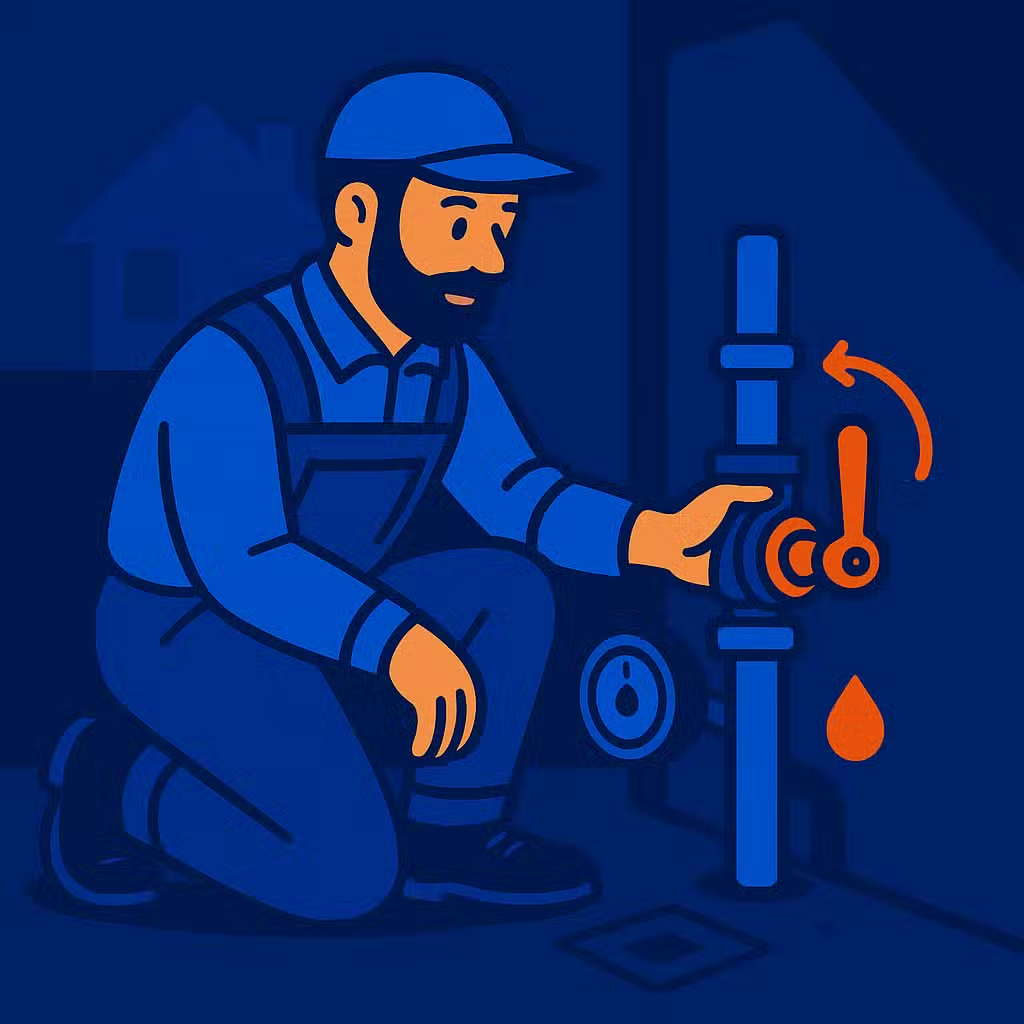
Water hammer causing pipes to knock when water is turned on in UK home

The Science Behind the Bang

Using acoustic leak detection equipment, I can actually hear the pressure wave travelling through pipes. The frequency tells me whether it's water hammer (low thud), loose pipes (rattling), or expansion (grinding). Each sound has its own signature – and solution.

Diagnosing Your Specific Knocking Pattern

Not all pipe knocking is created equal. The timing, location, and type of knock tells me exactly what's wrong:

Knocking PatternWhen It OccursLikely CauseSeverityTypical Fix Cost
Single loud bangWhen tap turned off quicklyClassic water hammerHigh£90-300
Repeated knockingWhile water runningLoose pipesMedium£50-150
Knocking every few secondsIntermittent pipe knockingFaulty valve/tap washerLow£30-80
Pipes knock then stopStart of water flowAir in systemLowDIY-£100
Pipes knocking at nightRandom, no water useThermal contractionLow£40-120
Pipes knocking in morningFirst use of dayOvernight pressure build-upMedium£150-400
Pipes bang when dishwasher fillsAppliance cyclesSolenoid valve closureMedium£100-250

How to Stop Pipes Knocking When Water Turned On – DIY Solutions

Solution 1: Secure Loose Pipes (30-Minute Fix)

Tools Needed:

  • Pipe clips (15mm or 22mm depending on pipe size)
  • Screws and wall plugs
  • Electric drill
  • Spirit level
  • Pipe insulation foam (£2-5 per metre)

Start in your airing cupboard or under-sink areas where pipes are visible. Push each pipe gently – if it moves more than 5mm, it needs securing. Install clips at these intervals:

  • 15mm copper: Every 1.2m horizontal, 1.8m vertical
  • 22mm copper: Every 2m horizontal, 2.5m vertical
  • Plastic pipes: Every 0.8m horizontal, 1.5m vertical

Pro tip: Wrap pipes with foam insulation before clipping. This prevents knocking pipes behind shower walls and reduces thermal expansion noise.

Solution 2: Adjust Water Pressure

First, check your current pressure. You can buy a pressure gauge for £10-15 from any DIY shop. Attach it to an outside tap:

  1. Turn off all water use in the house
  2. Attach gauge to outside tap
  3. Turn tap on fully
  4. Read pressure (should be 1-1.5 bar)

If pressure exceeds 1.5 bar, locate your pressure reducing valve (PRV) – usually near the stop tap. Turn the adjustment screw anticlockwise to reduce pressure. No PRV? You'll need one installed (£150-300).

Solution 3: Drain and Refill Air Chambers

Older UK homes (pre-1960s) have air chambers instead of modern arrestors. When waterlogged, they cause hydraulic shock in pipes. Here's how to fix banging pipes when water turns on by restoring air cushions:

  1. Turn off mains water at stop tap
  2. Open highest tap in house (usually bathroom)
  3. Open lowest tap (usually garden tap)
  4. Let system drain completely (20-30 minutes)
  5. Close all taps
  6. Turn water back on slowly – quarter turn every 15 seconds
  7. Open taps one by one to release trapped air
Safety Warning: If you have a combi boiler, check the pressure gauge after draining. You'll need to repressurise to 1-1.5 bar using the filling loop. Not sure how? See our guide on why boiler keeps losing pressure.

Professional Solutions for Persistent Knocking

Installing Water Hammer Arrestors – The Permanent Fix

Modern water hammer arrestors use sealed air chambers with pistons or bladders that absorb shock waves. Unlike old-style air chambers, they don't waterlog. UK prices for professional installation:

  • Single arrestor for washing machine: £90-150
  • Whole-house arrestor system: £200-400
  • Multiple arrestors for complex systems: £300-600

BS EN 806-4:2010 recommends arrestors at every quick-closing valve. In practice, I install them at washing machines, dishwashers, and toilets – the main culprits for water hammer when tap turned on UK homes.

Pressure Reducing Valve Installation

If your incoming pressure exceeds 3 bar, a PRV is essential. South West Water areas often see 4-6 bar mains pressure, especially in valleys below reservoirs. Installation includes:

  • PRV unit: £50-100
  • Installation labour: £100-200
  • Pressure gauge: £15-25
  • Expansion vessel (if required): £80-150

Complete Pipe Re-routing

Sometimes, especially with CPVC pipes knocking when hot water is turned on, the only solution is re-routing. CPVC expands significantly and needs room to move. Cost depends on accessibility but expect £500-1500 for partial re-routes.

UK-Specific Considerations

Hard Water Areas (Most of Devon & Cornwall)

Our water hardness averages 200-300mg/l calcium carbonate. This creates specific problems:

  • Limescale narrows pipes, increasing velocity and turbulence
  • Scale deposits on valve seats prevent proper closure
  • Calcium buildup in arrestors reduces effectiveness

Annual descaling of valves and taps can prevent water hammer. For persistent issues in hard water areas, consider our comprehensive leak detection service to check for hidden damage.

Victorian and Edwardian Properties

Older properties present unique challenges. Original lead pipes don't hammer – they're too heavy and soft. But when partially replaced with copper, the junction points become stress concentrators. I've found knocking in pipes when water is turned on often occurs at these lead-to-copper transitions.

Council Properties and Housing Associations

If you're in council housing with pipes knocking after British Gas service or routine maintenance, report it immediately. Under the Decent Homes Standard, landlords must maintain water systems to prevent damage. Document the noise (video with timestamp) for evidence.

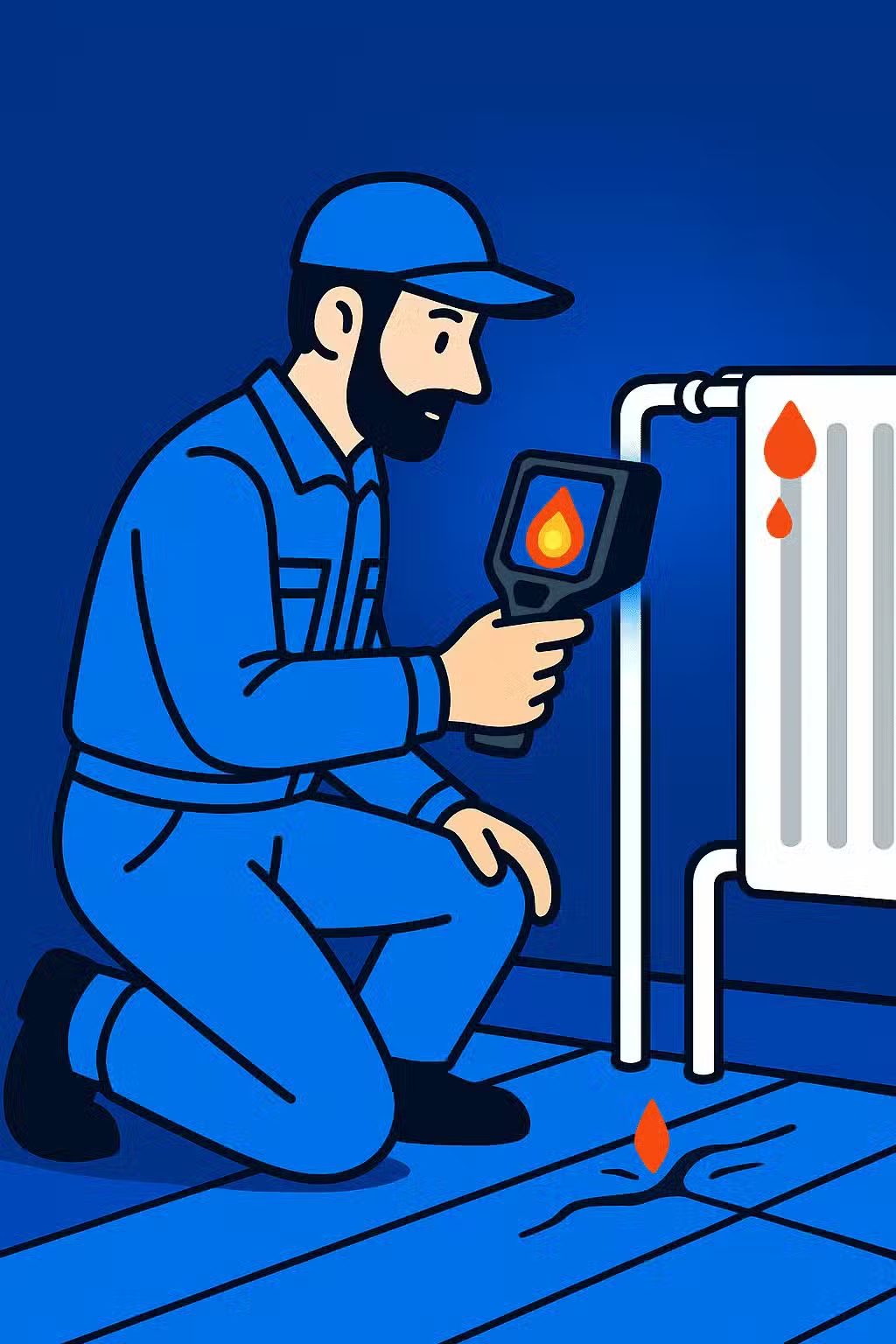
Professional fixing banging pipes when water turns on using proper pipe clips

The Professional Approach

When I investigate banging pipes, I use thermal imaging to spot hot/cold spots indicating pipe routes, then acoustic equipment to pinpoint movement. This non-invasive approach means finding problems without destroying walls.

Preventing Future Pipe Knocking

Annual Maintenance Checklist

Yearly Prevention Tasks:

  • Check water pressure (should be 1-1.5 bar)
  • Test all pipe clips for tightness
  • Inspect visible pipes for corrosion or movement
  • Service pressure reducing valve if fitted
  • Descale taps and valves in hard water areas
  • Check expansion vessels on unvented cylinders
  • Bleed air from radiators and hot water systems
  • Test water hammer arrestors (if fitted)

Upgrade Considerations

If your home has repeated knocking in pipes when water is turned on, consider these upgrades:

  • Soft-close taps: Replace quarter-turn taps with traditional screw-down types
  • Slow-closing toilet valves: Modern fill valves close gradually
  • Pressure accumulator: Smooths pressure fluctuations (£200-400)
  • Whole-house water softener: Prevents scale buildup (£500-1500)

When Knocking Indicates Serious Problems

Not all pipe knocking is harmless. These patterns suggest immediate professional help is needed:

Call a Professional Immediately If:
  • Sudden pipe knocking noise that's never happened before
  • Knocking accompanied by visible water or damp patches
  • Pipes vibrate when water turned on with increasing intensity
  • New knocking sound in pipes after recent plumbing work
  • Loud banging pipes emergency with visible pipe movement
  • Water metre spinning when everything's turned off
  • Heating system losing pressure alongside pipe knocking

These symptoms often indicate imminent pipe failure. Last month in Plymouth, I investigated "harmless knocking" that turned out to be a pipe ready to burst. The detection fee saved them £8,000 in flood damage.

Cost Implications of Ignoring Knocking Pipes

Let me be blunt about what ignoring banging pipes when turning water on really costs:

Immediate Damage (0-6 months)

  • Loosened joints: £50-200 per joint
  • Worn tap washers: £30-80 per tap
  • Increased water bills: £20-50/month

Medium-term (6-24 months)

  • Burst pipes: £500-2000
  • Damaged appliances: £200-800
  • Wall/ceiling repairs: £300-1500

Long-term (2+ years)

  • Structural damage: £2000-10,000
  • Complete re-plumbing: £3000-8000
  • Insurance premium increases: 20-40%

Compare that to prevention: £90-300 for arrestors, £50-150 for pipe securing, or professional investigation. The maths is simple.

Insurance Coverage for Water Hammer Damage

Here's what most homeowners don't realise: standard buildings insurance covers "sudden and unforeseen" water damage, but not gradual deterioration from water hammer. If pipes burst due to untreated knocking, insurers might reject claims citing "lack of maintenance".

However, trace and access cover (standard in 97% of UK policies) pays for finding leaks caused by water hammer damage. Document everything: video the knocking, photograph any damage, keep receipts for repairs. If you notice unexplained wet floors, it might already be too late for prevention.

Regional Water Pressure Issues

South West Water Areas

South West Water maintains network pressure between 1.5-7 bar, depending on topography. Properties below Dartmoor or Bodmin Moor reservoirs often see 5+ bar pressure. If you're experiencing banging pipes when water is turned on in these areas, a PRV is essential, not optional.

Coastal Properties

Salt air accelerates pipe corrosion, weakening joints already stressed by water hammer. Stainless steel clips and copper pipes need annual inspection within 5 miles of the coast. The combination of corrosion and water hammer causes premature failures – I see 40% more burst pipes in coastal properties.

Modern vs Traditional Plumbing Systems

Modern plumbing creates more water hammer than traditional systems. Here's why:

FeatureTraditional (Pre-1980s)Modern SystemsWater Hammer Risk
Tap TypeScrew-down washersQuarter-turn ceramicModern = Higher risk
Pipe MaterialLead/galvanised steelCopper/plasticModern = More resonance
Water PressureGravity-fed (0.5-1 bar)Mains pressure (1-4 bar)Modern = Higher forces
AppliancesManual fillSolenoid valvesModern = Instant closure
ProtectionAir chambersOften noneTraditional = Better protected

Specific Appliance Issues

Pipes Bang When Washing Machine Fills

Washing machine solenoid valves close in milliseconds, creating severe water hammer. The solution: fit arrestors directly at the machine valves, not elsewhere in the system. Cost: £30-50 for arrestors, £60-100 fitted.

Pipes Knock When Toilet Fills

Modern fill valves in toilets can cause repeated knocking. If your cistern takes less than 60 seconds to fill, the valve's closing too quickly. Adjust the flow rate screw on the valve, or replace with a quieter fill valve (£15-30). For persistent toilet issues, see our guide on why toilets run constantly.

Combi Boiler Pipes Knocking

Combi boilers pressurise the system to 1-1.5 bar, but faulty pressure relief valves can allow 3+ bar. If pipes knock every time the boiler fires, check the pressure gauge. Consistently above 1.5 bar? The PRV needs replacing (£150-250). This often relates to other boiler pressure issues.

DIY vs Professional – Making the Right Choice

After three decades in this business, here's my honest take on when to DIY and when to call professionals:

DIY If:

  • Single location knocking
  • Visible loose pipes
  • Pressure gauge shows 2+ bar
  • Started after new appliance
  • Only happens with one tap

Call Professionals If:

  • Multiple rooms affected
  • No visible pipe access
  • Getting worse over time
  • Water bills increasing
  • Insurance claim needed

The Bottom Line on Knocking Pipes

Pipes knocking when water is turned on isn't just an annoyance – it's a warning. Every bang weakens joints, stresses fittings, and inches you closer to a catastrophic failure. In my 30 years detecting leaks across Cornwall and Devon, I've never seen water hammer fix itself.

The good news? Most knocking can be fixed for under £300. Secure those pipes, check your pressure, install arrestors where needed. The bad news? Ignore it, and you're looking at thousands in repairs plus the nightmare of insurance claims.

Remember: UK water pressure should be 1-1.5 bar, pipes need clips every 1.2m, and water hammer arrestors are your friends. Get these three things right, and you'll never lose sleep to knocking pipes again.

Professional Leak Detection Services Across Devon & Cornwall

Frequently Asked Questions

Will knocking pipes eventually burst?

Yes, untreated water hammer can eventually cause pipes to burst. The repeated shock waves weaken joints and fittings over time. In severe cases, pressure surges can reach 10 times normal water pressure (15+ bar), which can crack pipes, loosen connections, and cause catastrophic failures. If knocking is getting louder or more frequent, it indicates increasing stress that needs immediate attention.

Many knocking pipe issues are DIY-fixable if you can access the pipes. Securing loose clips (£20-50 in materials), adjusting water pressure at your PRV, or draining air chambers are straightforward tasks. However, call a professional if knocking occurs in multiple rooms, behind walls you can’t access, is getting progressively worse, or if you’re uncomfortable working with plumbing. Insurance claims also require professional documentation.

Hot water pipe knocking is usually caused by thermal expansion. Copper pipes expand approximately 1.64mm per metre for every 100°C temperature rise. If pipes lack adequate expansion room or are tightly clipped, they rub against joists, brackets, or other surfaces, creating knocking sounds. CPVC plastic pipes expand even more (approximately 4 times copper) and are particularly prone to this issue. The solution involves adding pipe insulation, loosening tight clips slightly, or lowering your hot water temperature.

While not immediately dangerous like a gas leak, ignoring knocking pipes risks thousands in damage. Water hammer weakens every joint with each knock, loosens fittings, damages appliances, and can eventually cause burst pipes and flooding. Insurance companies may refuse claims if they determine untreated water hammer shows “lack of maintenance.” Early intervention costs £90-300; ignoring it can cost £2,000-10,000 in repairs plus increased premiums.

Modern washing machines and dishwashers use solenoid valves that close in milliseconds, creating severe water hammer. Older appliances had slower-closing valves that gave water time to decelerate. The solution is fitting water hammer arrestors directly at the appliance supply valves (£30-50 for parts, £60-100 installed). This is particularly common with high-efficiency appliances that cycle water on and off rapidly.

Air chambers are vertical pipes filled with air that were used in older UK homes (pre-1960s). They absorb shock but eventually become waterlogged and stop working. Water hammer arrestors are modern sealed units with pistons or bladders that never waterlog. They’re more reliable, last longer, and work more effectively. If your home has air chambers, you can sometimes restore them by draining your entire system, but arrestors are the permanent solution costing £90-300 installed.

Yes, these are often connected. If your heating system is losing pressure alongside pipe knocking, you likely have a leak somewhere in the system that’s also causing pressure fluctuations and water hammer. The leak allows air into the system, which creates pressure spikes when valves close. You need both leak detection to find the source and potentially water hammer arrestors to protect the system. Don’t just keep topping up pressure – find and fix the leak.

Yes, hard water (common across Devon and Cornwall at 200-300mg/l calcium carbonate) worsens knocking in two ways. First, limescale narrows pipes, increasing water velocity and turbulence. Second, calcium deposits on valve seats prevent valves from closing smoothly, creating more severe shock waves. In hard water areas, annual descaling of valves and taps helps prevent water hammer, and some homeowners find whole-house water softeners (£500-1500) solve persistent problems.

Random nighttime knocking without water use is usually thermal contraction. As temperatures drop overnight, pipes cool and contract, rubbing against brackets or joists. This is normal physics but shouldn’t be loud. If knocking is severe, pipes may be too tightly clipped or lacking insulation. Alternatively, it could be pressure changes from other properties on your mains supply, or a faulty PRV allowing pressure spikes. Check your pressure gauge at different times – if it varies by more than 0.5 bar, your PRV needs attention.

Not necessarily. Water hammer arrestors only fix knocking caused by sudden water flow changes (classic water hammer). They won’t fix knocking from loose pipes, thermal expansion, high pressure, or CPVC pipes rubbing during expansion. That’s why proper diagnosis matters – you need to identify whether you have water hammer, loose clips, expansion issues, or high pressure before choosing a solution. Often, multiple issues exist together requiring combined fixes.

Think you have a hidden leak?

🚨 Is Your Home Leaking Money?

Spot these red flags before it’s too late:

– 💸 Unexplained rise in bills
– 🔍 Damp patches or mould
– 💧 Weak water pressure
– 👂 Mysterious dripping sounds
– ⚠️ Walls that look warped
– 🏠 Visible water stains
– 👃 Musty or damp smells

Don’t wait until it’s a disaster.
Get help today!